Compare Local Contractors for Screened In Porch Installation
Compare local contractors to define your project scope, verify experience, and set clear expectations in writing for a successful screened-in porch installation.
Screened in porch installation typically involves adding a protective enclosure to an existing outdoor space, transforming it into a comfortable, bug-free area suitable for relaxing or entertaining. This work generally covers framing, screening, and finishing touches such as doors and trim. Contractors may also handle minor adjustments to existing structures to ensure the enclosure fits seamlessly with the home’s architecture. Understanding the scope of work helps property owners communicate their needs clearly and ensures that the project includes all desired features, from screen material choices to additional amenities like lighting or ceiling fans.
Defining the scope of screened in porch installation is essential for setting clear expectations and avoiding misunderstandings. Property owners should specify the size and layout of the porch, the type of screening material preferred, and any additional features or finishes they want included. Documenting these details in writing provides a reference point for both parties and helps ensure that the project stays aligned with the original vision. Clarifying the scope also assists in identifying potential challenges early on, such as structural modifications or compatibility with existing outdoor spaces.
When comparing local contractors for screened in porch installation, it’s important to evaluate their experience with similar projects and their ability to handle the scope defined. Property owners can review portfolios, ask for references, and inquire about the types of projects they’ve completed in the past. Additionally, understanding each contractor’s process for project planning and communication can help determine how well they will work with expectations and specifications. Gathering information on their approach to materials, craftsmanship, and problem-solving can support a more informed decision, ensuring the chosen service provider is capable of delivering a finished porch that meets the property owner’s needs.
Compare local contractors by outlining your project priorities, verifying experience, and setting clear expectations in writing.
- Compare Contractor Experience - Review the backgrounds and project history of local contractors to ensure relevant expertise.
- Define Project Scope Clearly - Establish detailed expectations and deliverables before work begins to prevent misunderstandings.
- Verify Qualifications and References - Check references and previous work to assess the quality and reliability of service providers.
- Document Agreements in Writing - Ensure all project details, responsibilities, and expectations are documented to protect both parties.
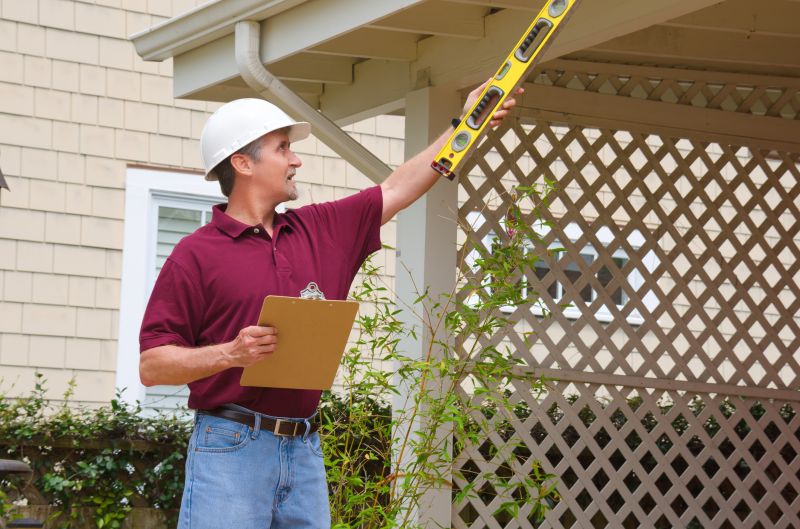
Clearly describe your screened in porch project to effectively compare local contractors, define scope, and set expectations in writing.
- Verify experience with screened in porch installations to ensure familiarity with design and construction standards. - Confirm that the service providers clearly define the scope of work and materials included in the project agreement.
- Compare multiple local contractors to assess their expertise, reputation, and approach to porch screening projects. - Ensure that the contractors provide detailed written estimates outlining project expectations and deliverables.
- Assess the contractors’ knowledge of local building codes and permit requirements related to screened in porch installations. - Look for clear communication about project timelines, responsibilities, and any limitations or exclusions.
- Check references or reviews to gauge the quality of previous screened in porch projects completed by the service providers. - Confirm that the scope, materials, and warranty details are documented in the contract before work begins.
- Discuss the installation process and materials to understand how the screened in porch will be integrated with existing structures. - Make sure all expectations, including design preferences and durability considerations, are agreed upon in writing.
Compare local contractors, define project scope clearly, verify experience, and set expectations in writing.
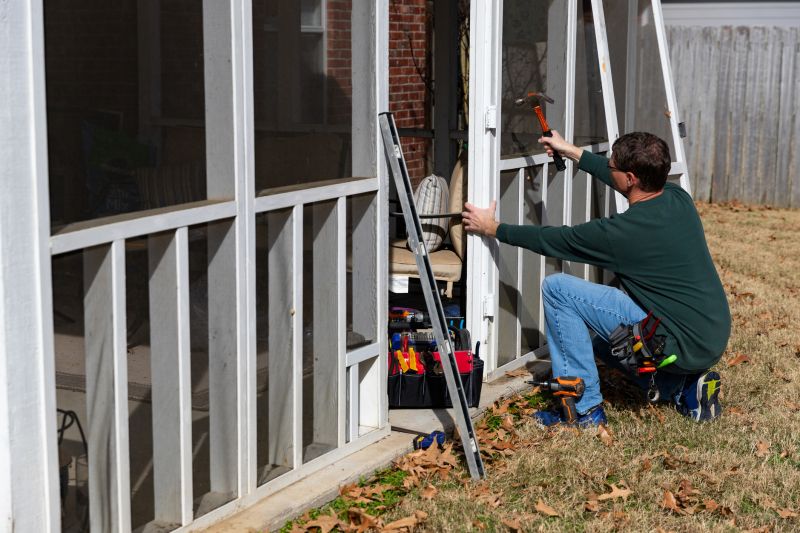
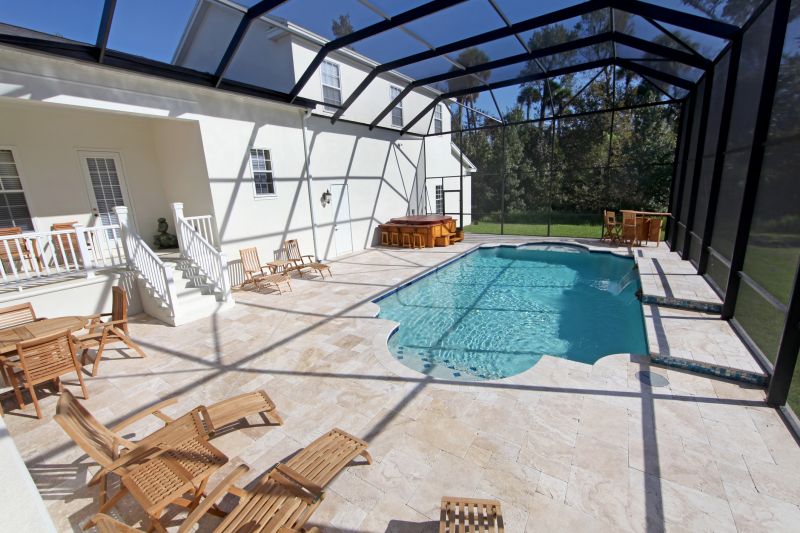
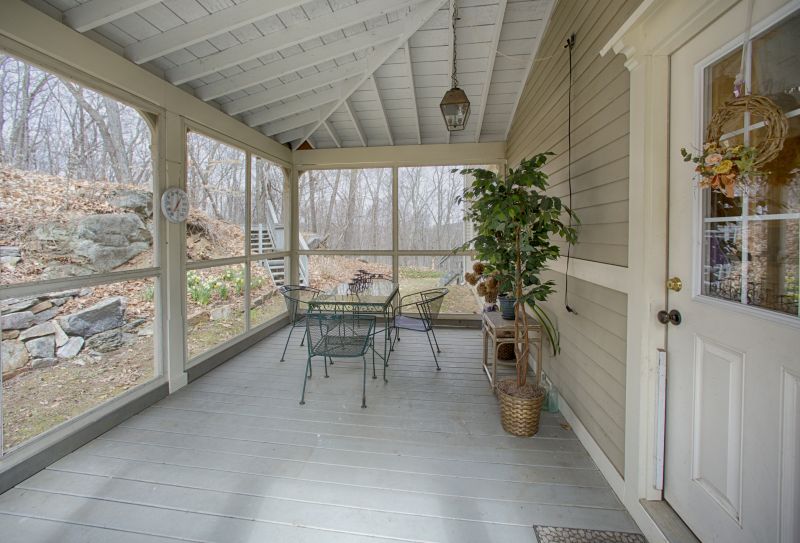
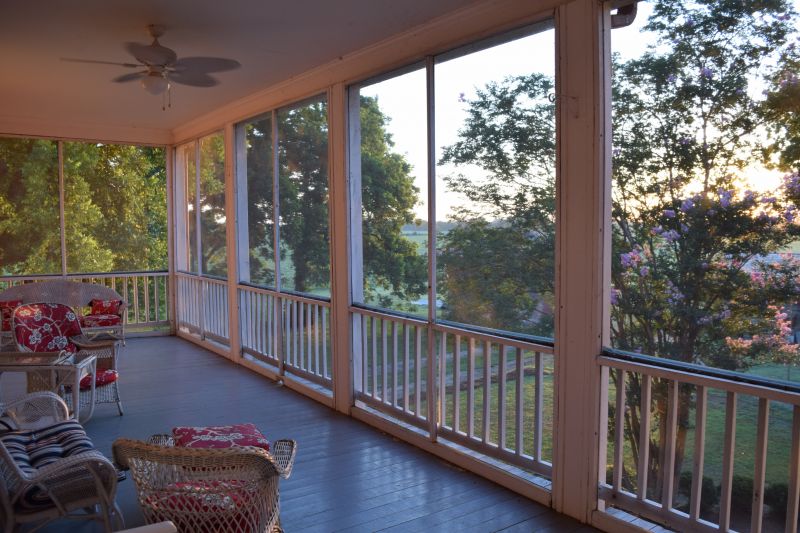
Use consistent comparison criteria to evaluate local contractors’ scope, experience, and written expectations for screened-in porch projects.
- Scope Definition - Clearly outline the specific features and size of the screened-in porch to be installed.
- Material Selection - Identify the types of screening, framing, and flooring materials preferred for the project.
- Experience Verification - Confirm that the service providers have relevant experience with screened-in porch installations.
- Project Expectations - Document the desired design, functionality, and any custom features to ensure alignment.
- Written Agreement - Ensure all scope details, materials, and expectations are documented in a comprehensive contract.
When evaluating contractors for screened-in porch installation, it’s important to consider their experience with similar projects. Homeowners should inquire about the types of screened-in porches they have previously built, paying attention to the scope and complexity of those projects. A contractor with a proven track record in installing porches comparable in size, style, and design can provide insights into their familiarity with the process and potential challenges. Verifying this experience helps ensure that the service provider has the practical knowledge needed to handle the specific requirements of the project.
Having a clear, written scope of work is essential when comparing contractors. A detailed scope outlines the specific tasks, materials, and responsibilities involved in the installation, reducing the likelihood of misunderstandings. Homeowners should seek service providers who can provide a comprehensive description of the work, including any preparatory steps, framing, screening materials, and finishing details. This clarity enables better comparison between options and helps set realistic expectations for what the project will entail.
Verification of a contractor’s basic credentials involves confirming their background and reputation within the local community. Homeowners can ask for references or examples of completed projects similar to theirs. Checking for consistency in past work and gathering feedback from previous clients can give an idea of the contractor’s reliability and craftsmanship. Additionally, verifying that the contractor adheres to local building codes and standards can contribute to a smoother installation process and a finished product that meets expectations.
When evaluating different service providers, it’s helpful to compare how they communicate and define the scope of work in writing. Clear, detailed proposals or contracts should specify project details, materials, timelines, and responsibilities. Homeowners should look for service providers who are transparent and thorough in their documentation, as this reflects professionalism and helps prevent misunderstandings. Focusing on the quality of communication and the completeness of the written scope can lead to a more informed decision and a successful screened-in porch installation.
Ask contractors to provide written scope details to ensure clear expectations and consistent project understanding.
- **Experience and Credentials** - What experience do local contractors have with screened-in porch installations?
- **Scope of Work** - How do contractors define the scope of the project and specify included features?
- **Comparison of Services** - What services and materials do different service providers offer for screened-in porches?
- **Project Expectations** - How do contractors communicate project expectations and clarify responsibilities in writing?
- **Customization Options** - What customization options do local contractors provide to meet specific design preferences?
How can I compare contractors for screened-in porch installation? Research multiple service providers by reviewing their experience, credentials, and customer feedback to identify those best suited for your project needs.
What should I consider when defining the scope of my screened-in porch project? Clearly outline your desired features, size, and materials to communicate your expectations effectively and help contractors provide accurate proposals.
How can I verify a contractor’s experience with screened-in porch installations? Ask for examples of previous work, references, or portfolios that demonstrate their expertise and familiarity with similar projects.
Why is it important to get project details in writing? Having a written agreement ensures all aspects of the work, including scope, materials, and responsibilities, are clearly documented to prevent misunderstandings.
What questions should I ask a contractor during the initial consultation? Inquire about their experience, approach to installation, materials used, and how they handle unexpected issues or changes during the project.
How can I ensure the contractor understands my expectations? Communicate your project goals clearly and request a detailed written plan or proposal that outlines the scope, materials, and responsibilities before work begins.
By exploring options for screened-in porch installation, visitors can learn how to identify experienced local contractors, define the scope of work clearly, and set expectations in writing to ensure a smooth process. Comparing multiple service providers allows for a better understanding of each contractor’s approach and qualifications, helping to make informed decisions aligned with specific project needs. Utilizing the quote form provides an efficient way to connect with qualified local contractors who can handle the job.
Taking the time to compare local service providers ensures that the project is approached with clarity and understanding. By defining the scope and verifying the experience of potential contractors, visitors can better navigate the selection process. Using the quote form to reach out enables comparisons among local contractors, making it easier to find options that match project requirements and expectations.